


















AAC Awareness Month: Q&A with Amy Thomas

By Therapy Focus
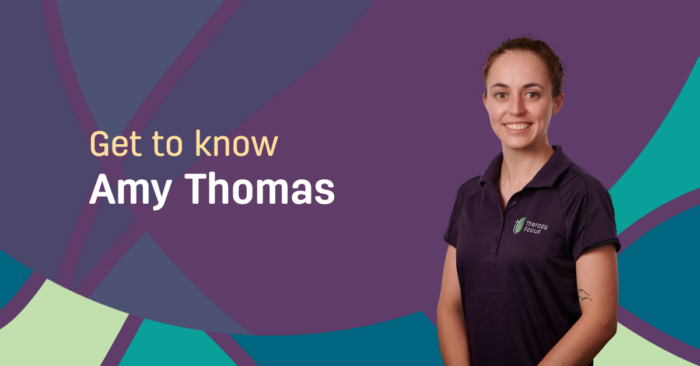
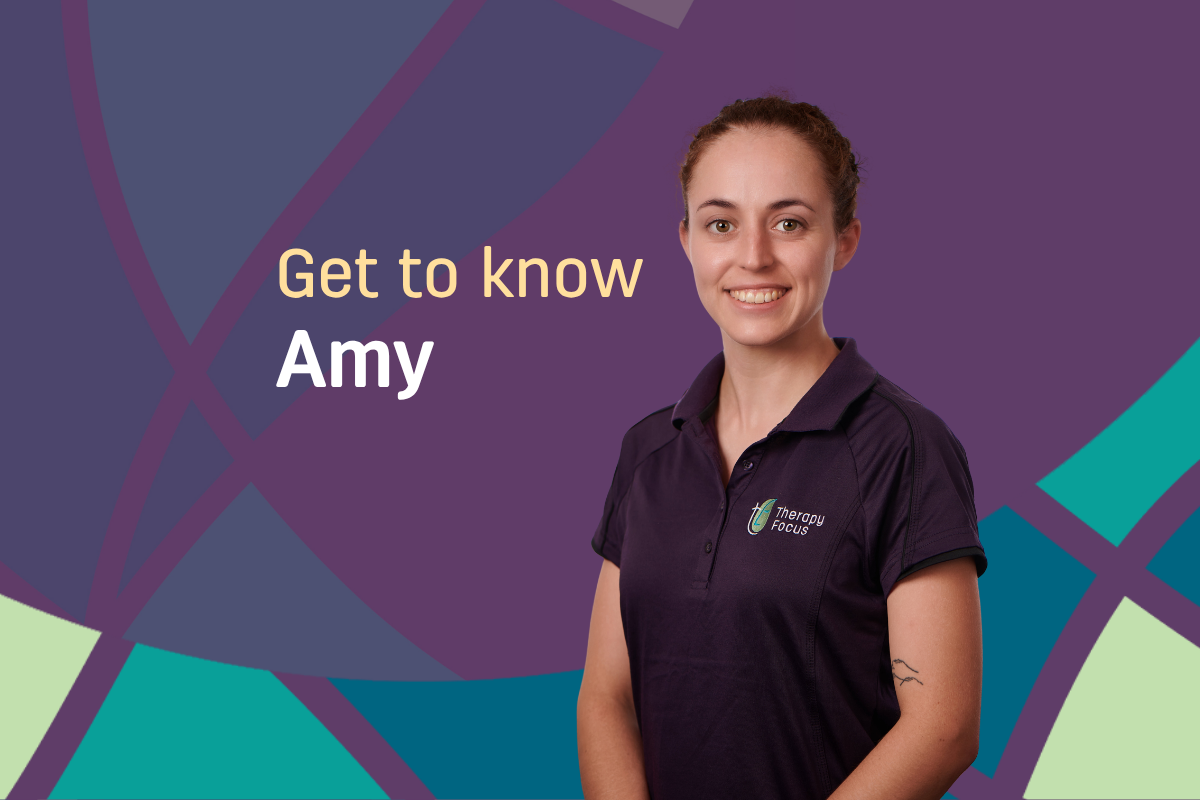
October is AAC Awareness Month, making it the perfect time to chat with Amy Thomas, one of our Senior Speech Pathologists about all things AAC.
Amy joined Therapy Focus in 2015, fresh out of University and has been part of the team ever since. Starting at our Goollelal office in Kingsley, she later moved to Wembley before joining the team at Osborne Park where she is based today.
What sparked your interest in all things AAC?
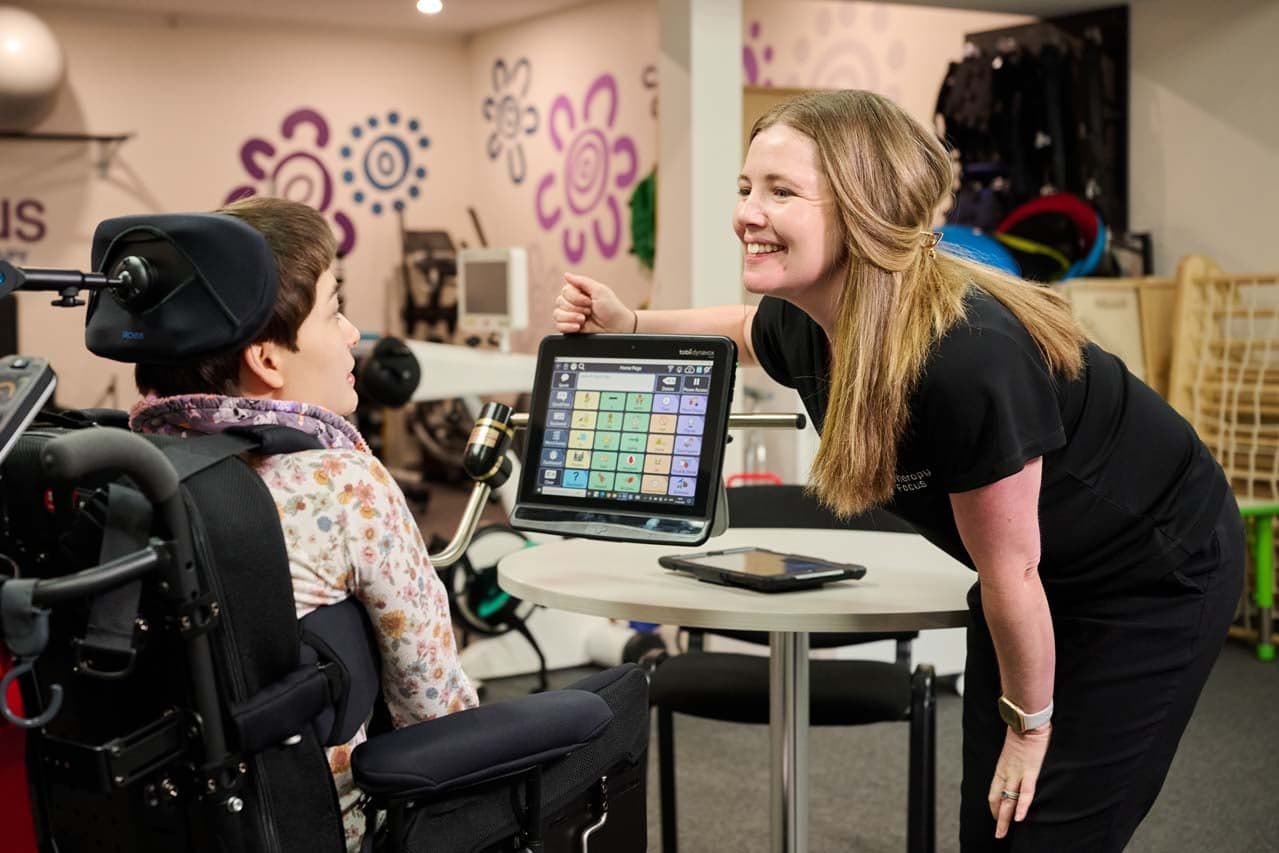
I am both a language nerd and a tech nerd! I’ve worked with AAC since I started at Therapy Focus. A few years ago, I started to learn Auslan (Australian Sign Language) more seriously and fell in love with it. Then in 2023 an opportunity came up with the CMC/Assistive Technology team combining two of my interest areas – AAC and working with Deaf and Hard of Hearing clients, so I took it. I’m now completing Certificate II in Auslan through TAFE. I have loved the opportunity in the CMC team to work with more complex bits of tech, like eye gaze. It really opens up a whole world for our clients; not just communication but being able to do things like take photos, watch YouTube, read books, make music, play games and send text messages just with their eyes. That’s pretty amazing.
What should families know about AAC trials and device selection?
Yes, we are the experts on AAC (we’re obsessed with it), but you are the expert on you/your child/your loved one. Your involvement in using the device, feedback and preferences are so vital in deciding what will work best. It can be a long process, but it is worth it in the end.
How early can AAC be introduced?
As early as possible. Evidence shows that we do all of our best language learning before the age of 6. The earlier a child has full access to language, the better. There is no age that is too early- even babies from a few weeks old can benefit from exposure to AAC, though they will not be able to use it themselves just yet (we speak to babies from birth even though they can’t reply to us for a year or so). AAC will not delay spoken language- in fact it is the opposite. Research shows that AAC has no negative effect on speech production, and in fact many studies showed that AAC actually increased speech production. I have also found this is the case with the many, many different clients I have supported with AAC. This is because AAC use can build stronger language skills, communicative confidence and provide the person with the tools to interact more with the people around them.
Favourite moment?
When my client using an eye gaze device told me to “go away” for the first time. That was such a powerful moment for him and I was so proud (not at all offended!)
Where can you find me in my spare time?
Playing ice hockey, hanging out with my Greyhounds or playing video games.
Supporting you to communicate with confidence
Explore AAC options with experienced therapists who can assess your needs, recommend solutions and support you through trials and ongoing use.
By Therapy Focus
Last Updated 14 Oct 2026