


















How to support someone with communication difficulties

By Glenna Tan
Senior Occupational Therapist
Written by Therapy Focus Advanced Occupational Therapist, Glenna Tan
Communication is a fundamental human right and a crucial part of learning and development – but it is also something that successful communicators can take for granted. By modifying the way we interact with people who have communication difficulties, we can support them to communicate effectively and be heard.
Imagine what it would be like if you were unable to speak or had difficulty getting your message across. Anyone can experience communication difficulties, but it is more common for people with disabilities to find communication challenging. The following are our top tips for communicating effectively, and respectfully, with someone who has communication difficulties.
Top tips for effective communication
- Respect is paramount. Always treat a person who has communication difficulties with dignity and respect.
- Learn about different ways to communicate. This might include visual aids such as gesture, facial expression, pointing, use of objects, Key Word Sign or Auslan (Australian sign language).
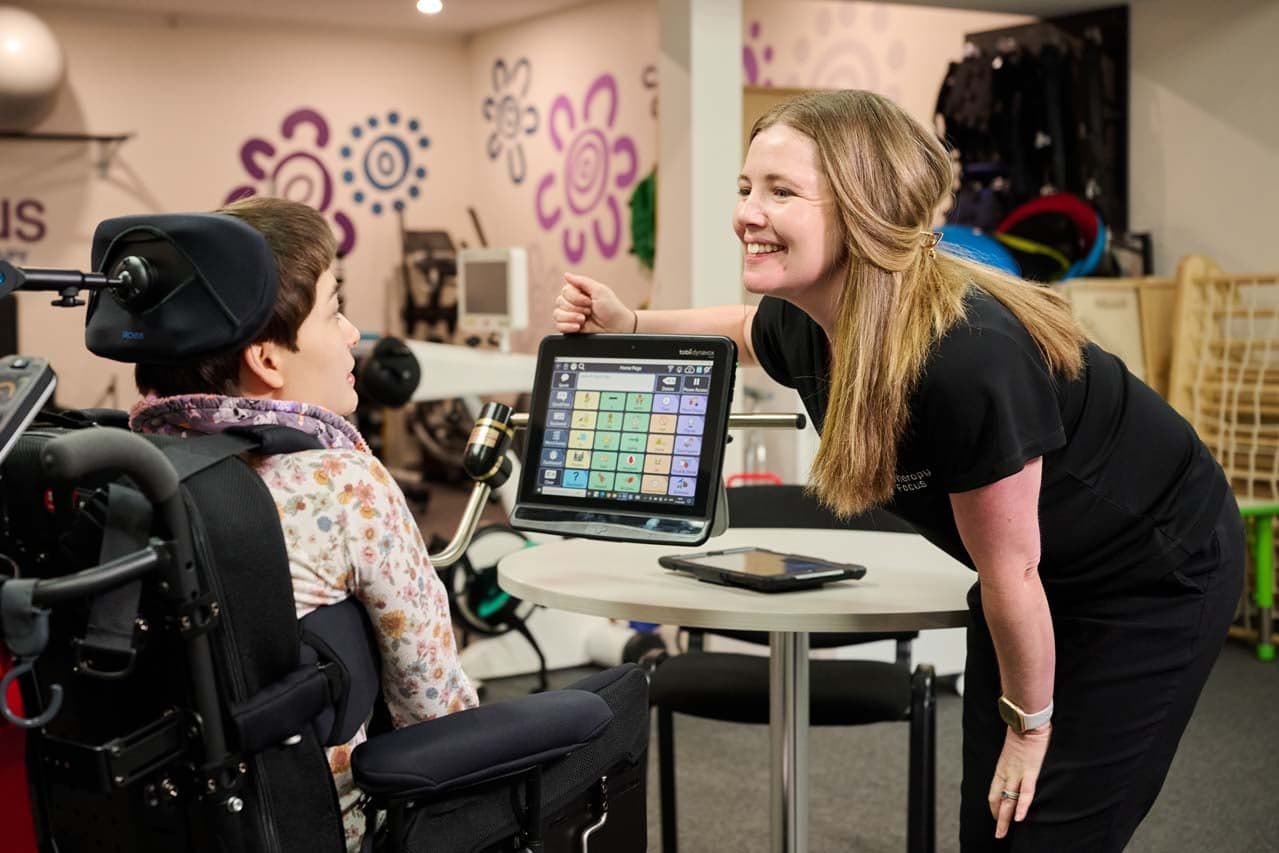
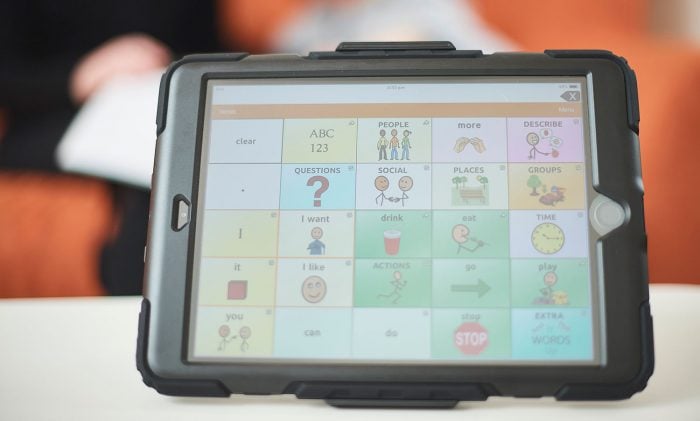
- Find out the person’s preferred communication method and ask how you can help them communicate. They may require the use of augmentative and alternative communication systems.
- Speak with the person’s family and support networks to learn more about how they communicate.
- Make sure you have the person’s attention before attempting to communicate. Face the person and make eye contact where possible to show you are listening, but be mindful of potential issues they may have with eye contact. For example, someone with a Autism may feel uncomfortable with eye contact.
- Consider your environment – find a quiet place to meet with the person and reduce environmental distractions such as radios playing in the background.
- If you do not understand a person when they are trying to communicate with you, let them know so you can find a solution together.
- Simplify your language and try not to use jargon. Consider how long your sentences are and how much information you are giving.
- When in the community, use objects, visuals or pictures that are already there to support communication. For example, a menu with photos or pictures to help the person choose what they want to eat.
- Listen carefully and allow enough time for a response if you ask a question. Wait patiently for the person to reply and repeat information back to the person to confirm you have understood correctly.
- Remember that communication is a shared responsibility and that you will need to be patient with each other.
How we can help
Speech pathologists help children and adults with disability develop their speech, language, literacy and communication. This can include support for the use of alternative and augmentative communication (AAC) systems and solutions for people whose communication needs are not met by speech or writing.
Would you like to find out more?
Contact us today on 1300 135 373 to start your extraordinary journey.
By Glenna Tan
Senior Occupational Therapist
Last Updated 17 Nov 2023